Summer Nature Benefits: Why “Annoyances” Are Essential Heroes
We love summer and eagerly await its return, but once there, we are often reminded that living isn’t always truly easy. For every wonderful summer memory, there are plenty of “annoyances” that make it bittersweet.
Nature’s Misunderstood Heroes: Mosquitoes, Ants, and More
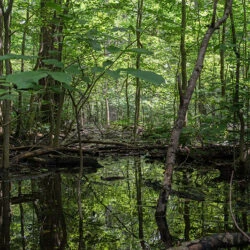
However, many of these summer annoyances are necessary and even beautiful components of the natural world. For instance, male mosquitoes help pollinate local wildflowers! During one sticky summer studying plant communities during my graduate studies, I watched these “team players” land on wild orchids growing at the margins of an ephemeral pool and appreciated that as frustrating as female mosquitoes can be, the males don’t eat blood and do a lot for habitat stability.
Ants: Nature’s Tiny Gardeners
As a child, I remember sneaking treats to the ants who steadfastly marched into our home every summer to seek food (much to my mother’s chagrin). These little cupboard invaders are important seed dispersal agents for many native spring ephemerals, spreading around the beauty we enjoy on those early spring hikes. They also serve as better soil builders than earthworms and have a more evolved local function since most earthworms are recent inhabitants of our local natural communities.
For more excellent information on ants, check out E.O. Wilson’s “Tales from the Ant World.”
Burrs and Seed Dispersal: Nature’s Hitchhikers
Burrs (seed capsules of the plants they belong to) in late summer often belong to plants like agrimony or geum, and they enjoy hitching on clothing. This experience can easily garner a chuckle if you consider that you’re being used as a “bus” to carry flowers to new homes. Congratulations, agent of dispersal—a very old organism is using you to get things done. Creating fun perspectives is a great way to deal with environmental annoyances.
Weather’s Hidden Benefits: Drought and Humidity
Droughts and long, dry years can be important or even essential for oak pollination and growth. Humidity, in turn, assists with many vascular plant functions, like moisture retention and photosynthesis support. Without humid days, our local preserves wouldn’t have healthy plant communities.
Embracing Nature’s Complexity This Summer
As we near summer, take some time to rethink what irritates us and consider the functions these irritants fulfill. Stopping to ask why we think what we do about things in the world creates space for humility toward that which serves a purpose outside of people and deepens the connection to what we may consider beautiful.
Understanding these natural processes helps us appreciate the intricate balance of ecosystems and the vital roles that even the smallest creatures play in maintaining healthy environments.
Check out our Summer 2025 Quarterly to learn more about the ecosystems in our region and how we are protecting and managing these special places.