Tippecanoe River
Fulton County, IN
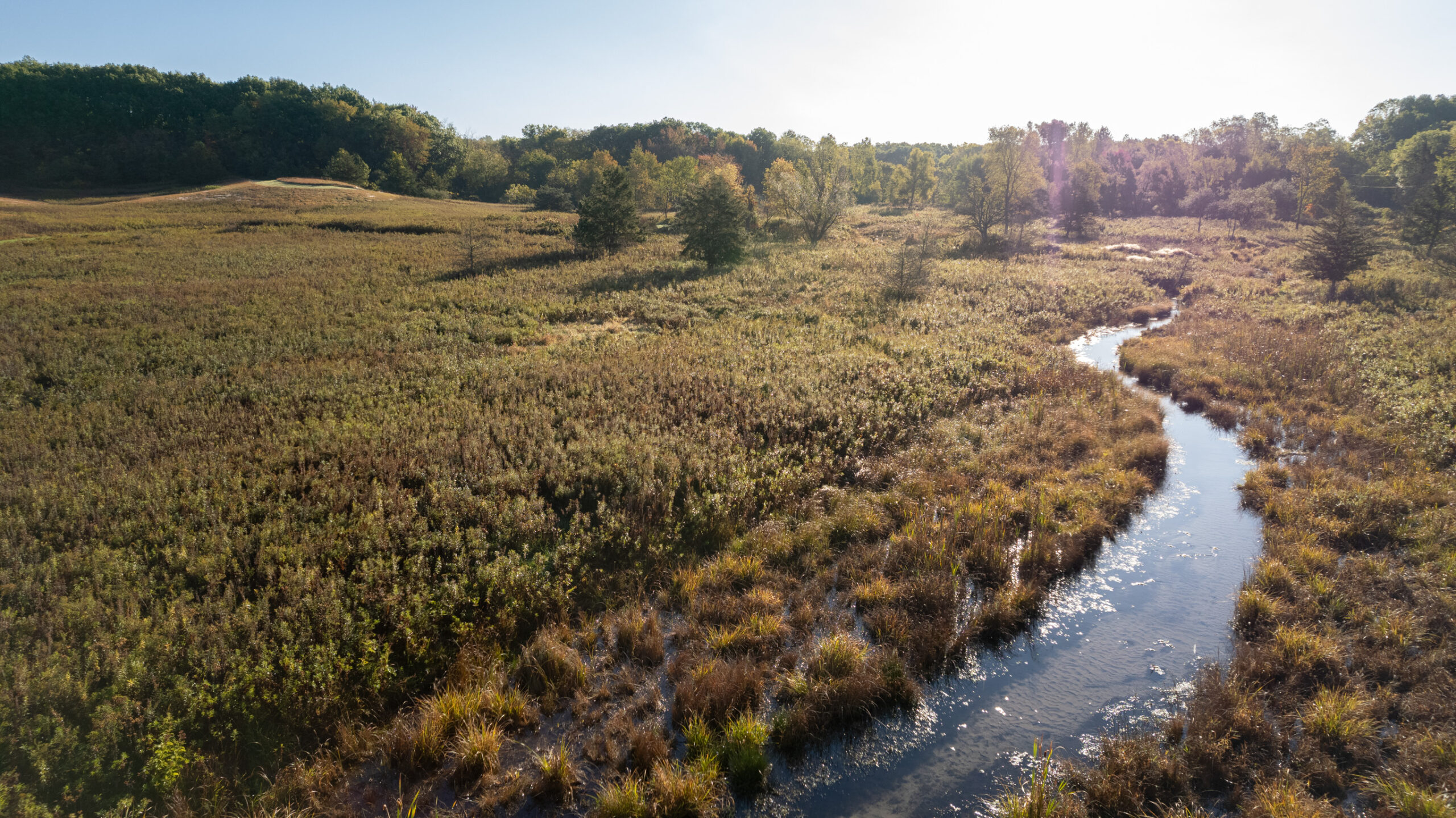
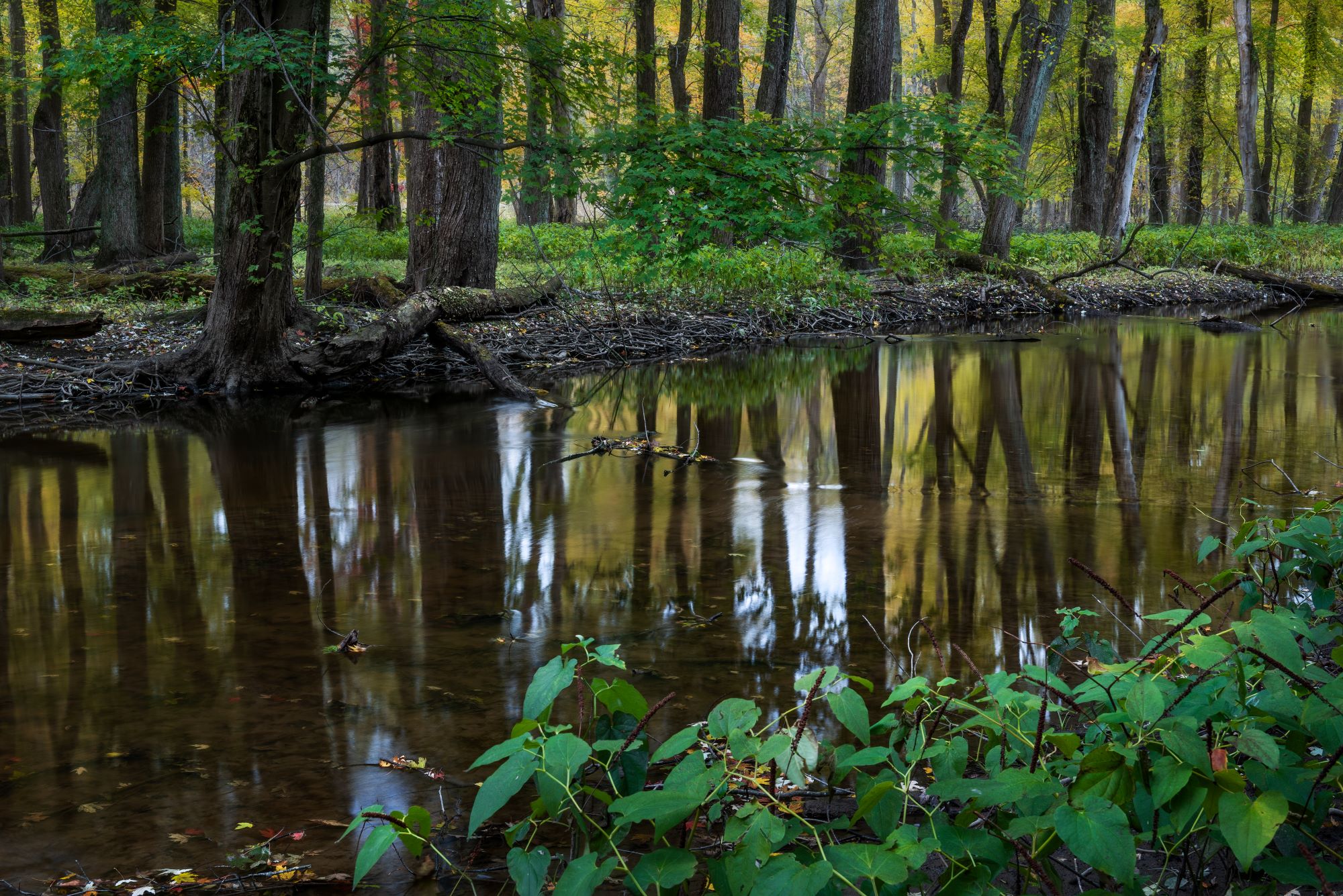
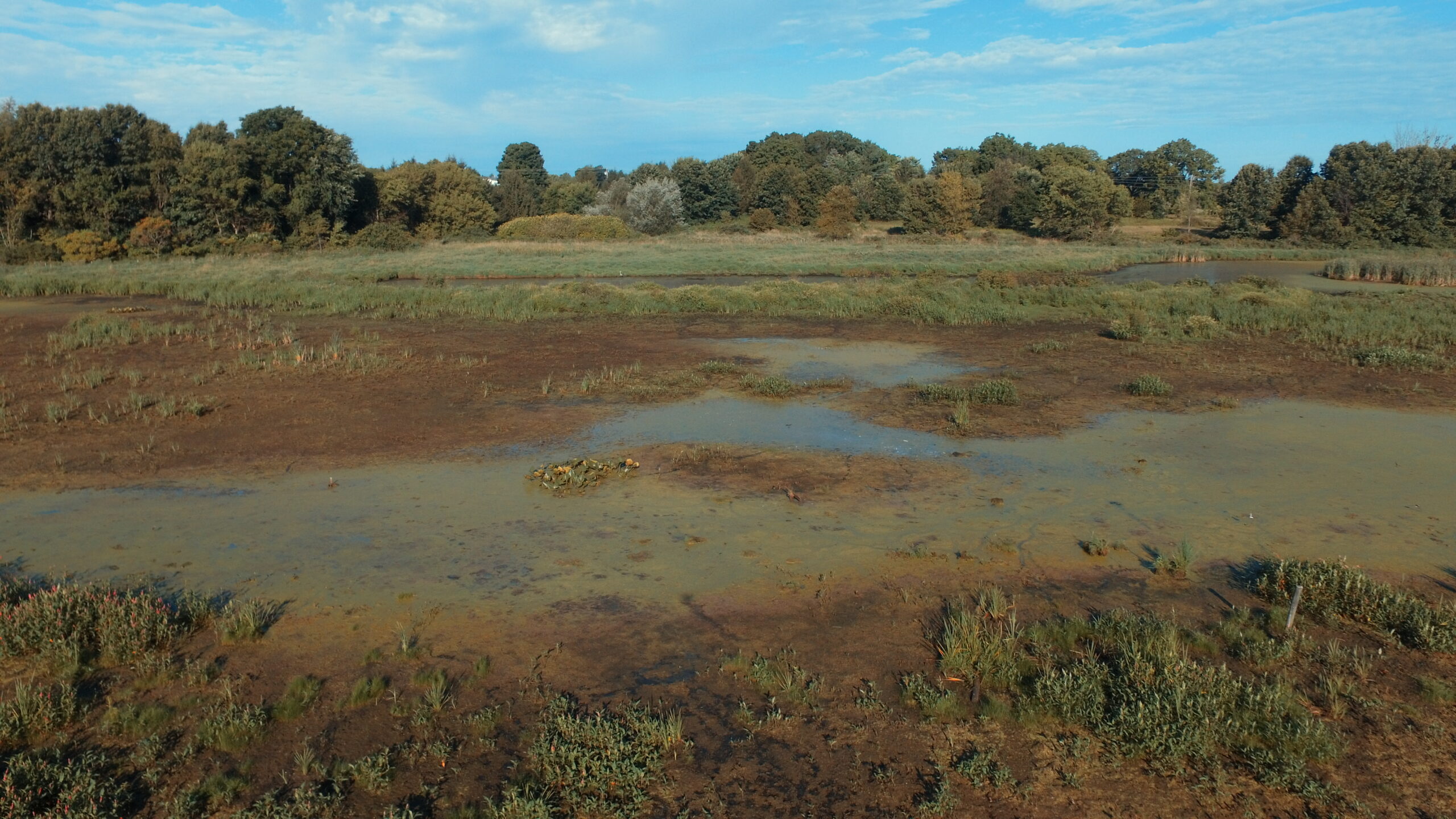
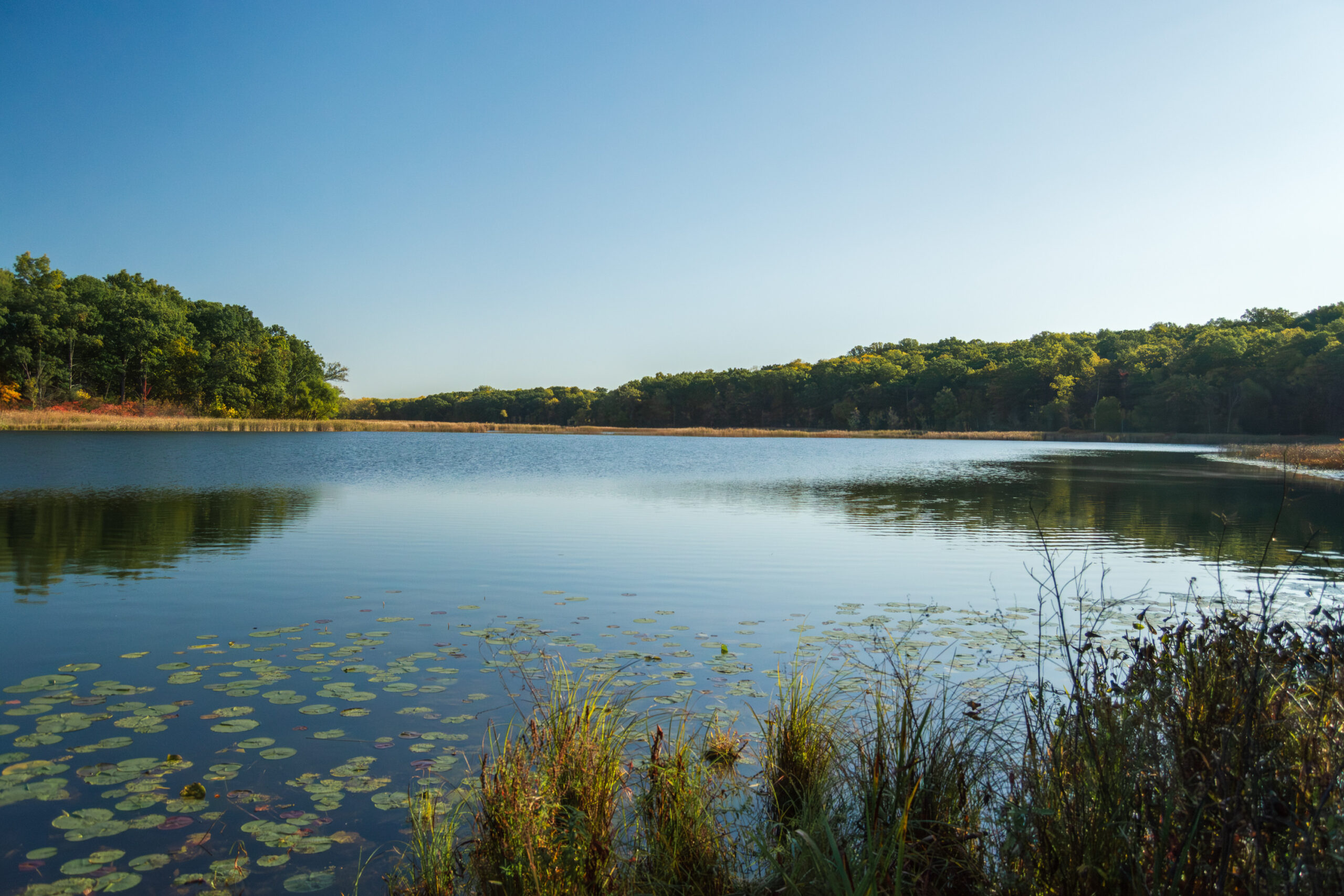
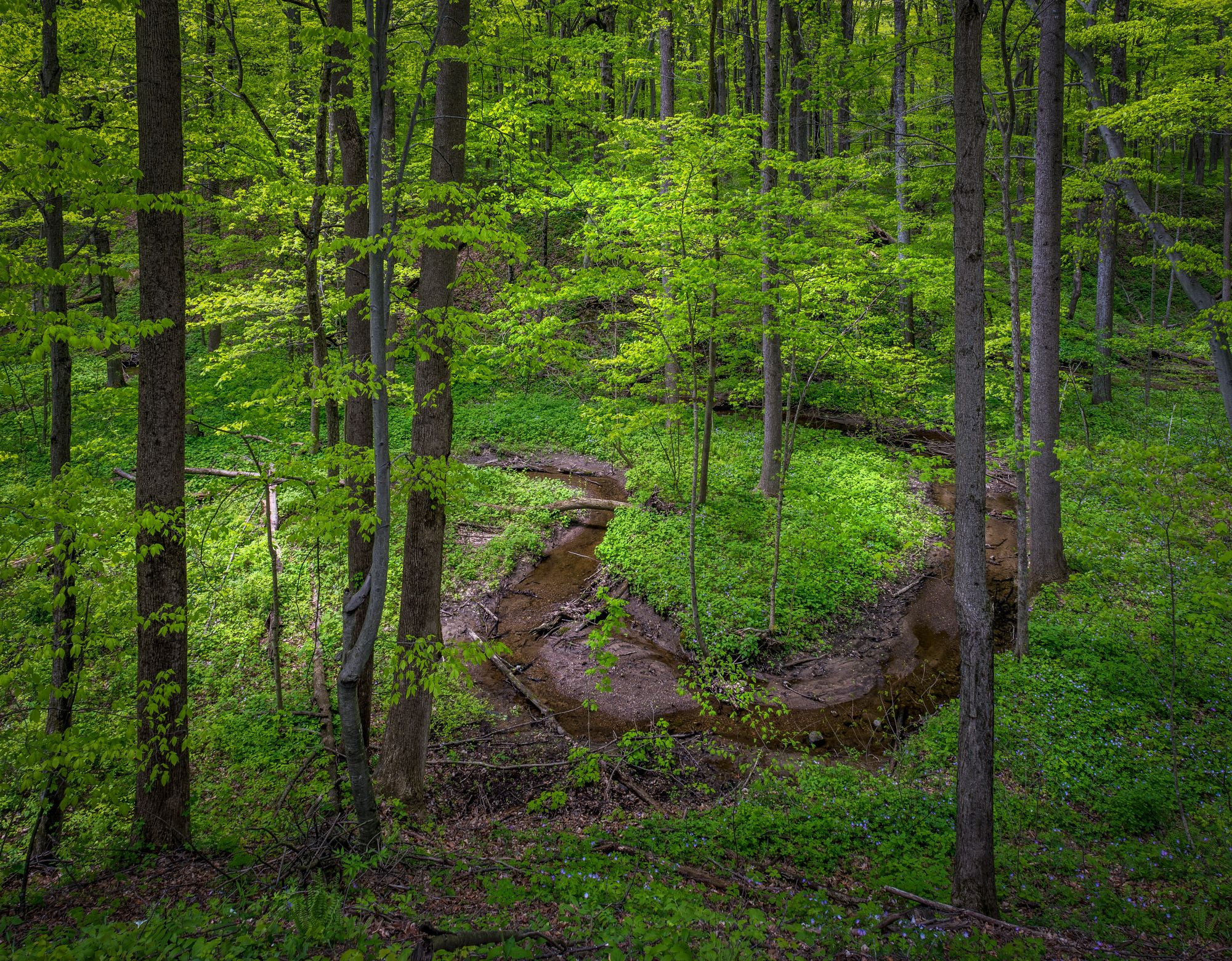
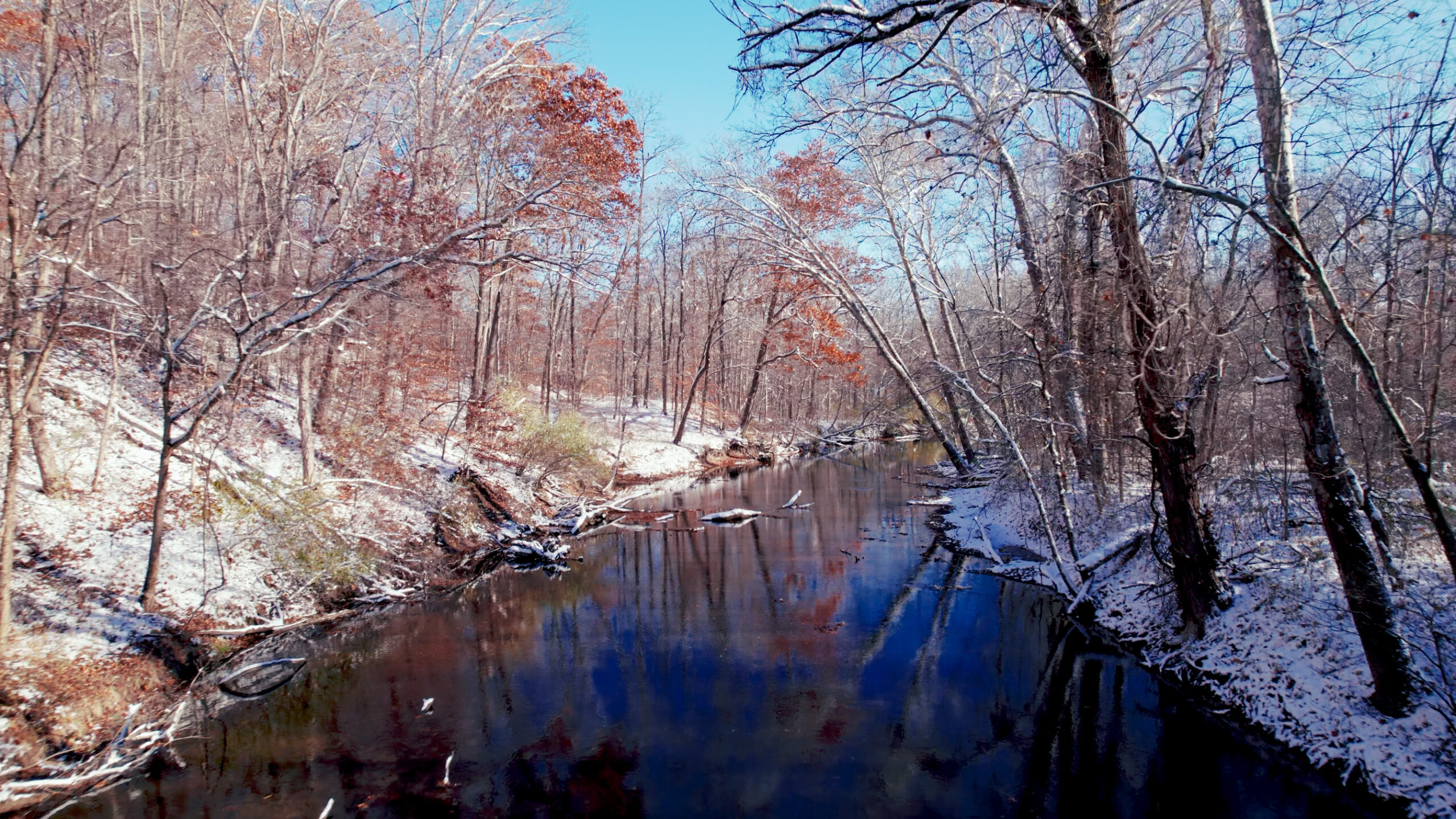
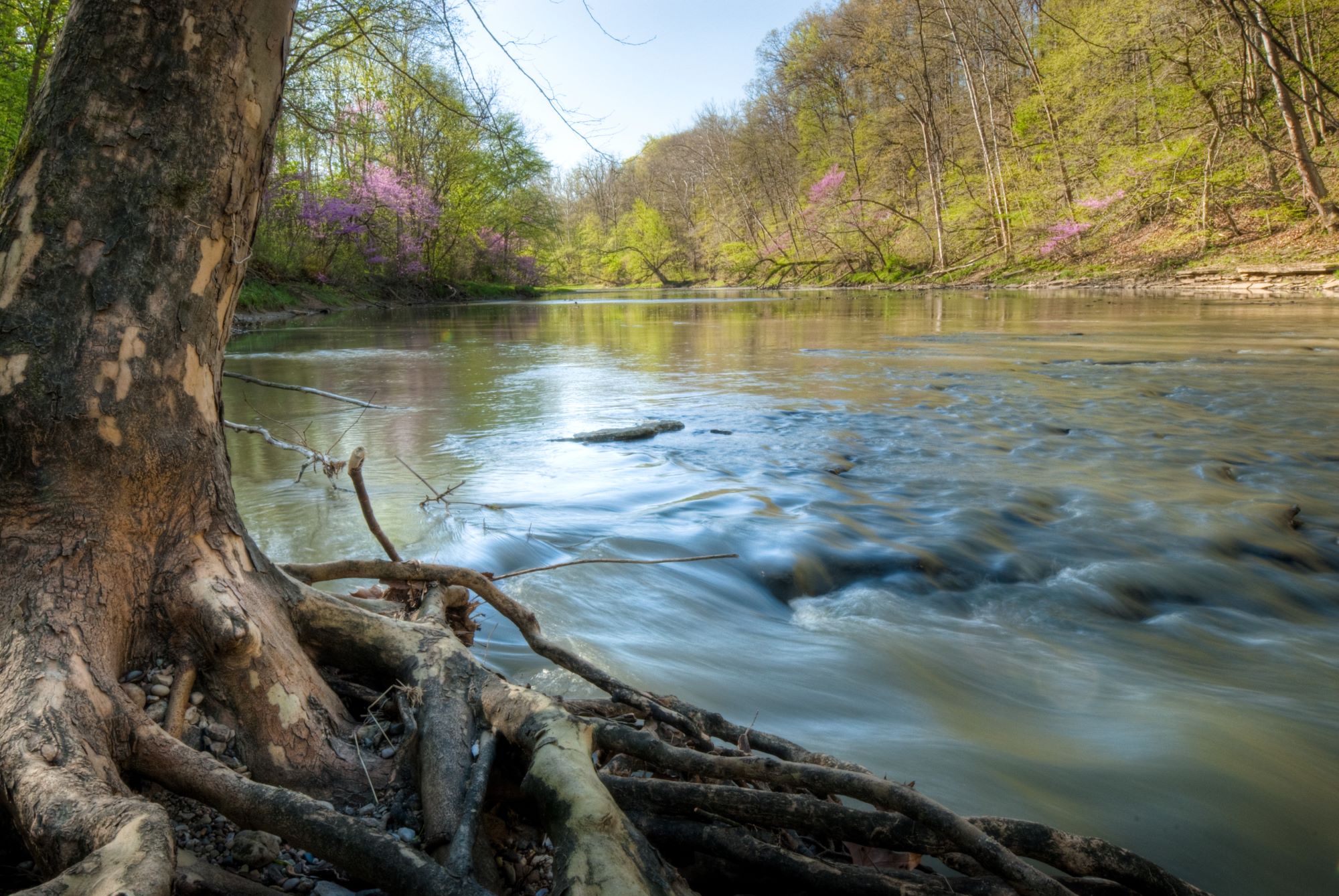
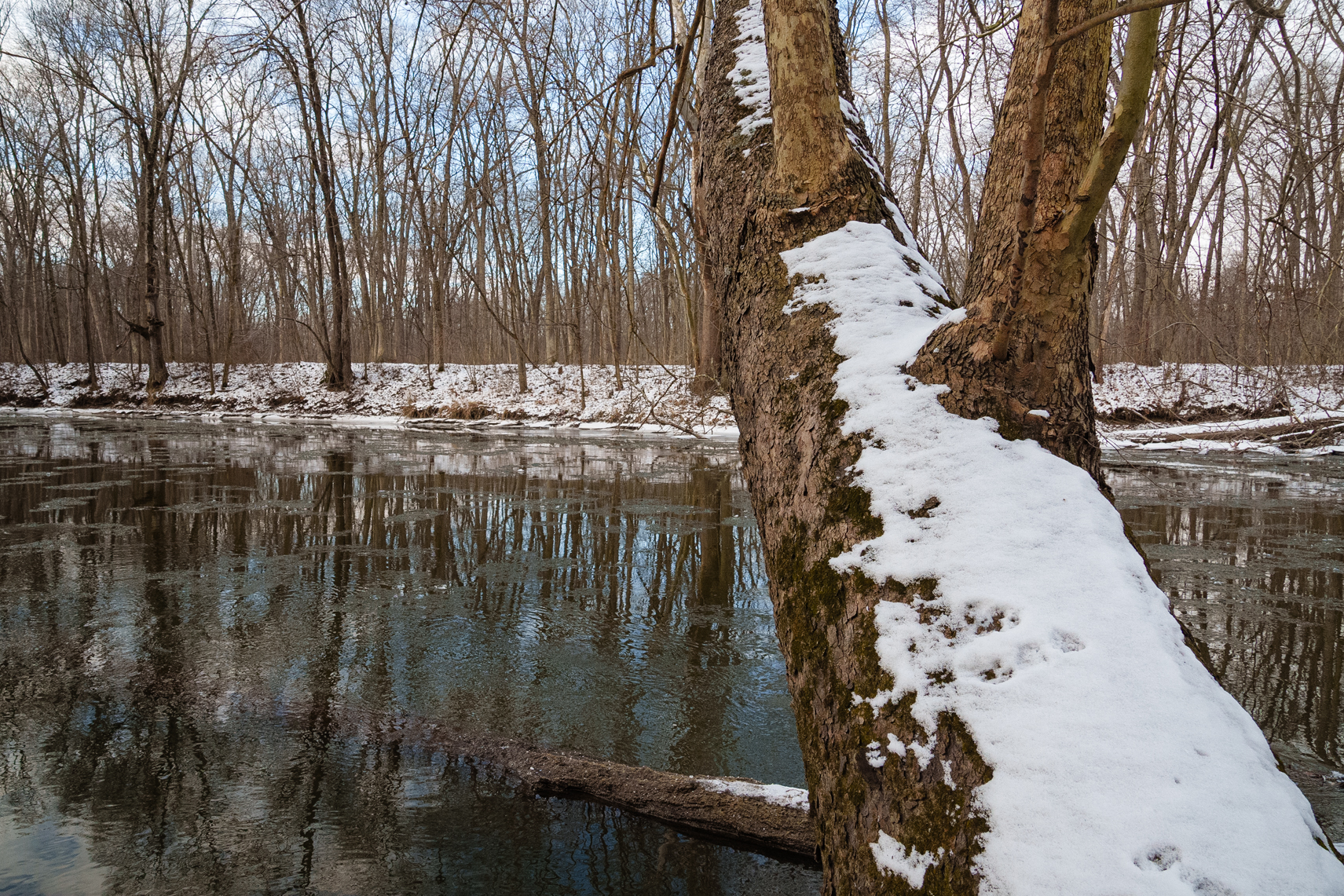
This priority area focuses on over 24 miles of the Tippecanoe River, from northeast of Rochester to the Pulaski County line. One of our newest areas, we're working to expand protection by nearly 200 acres.
Strategic protection of our region's most critical natural landscapes
ACRES Land Trust has identified 10 Conservation Priority Areas across our service region. These areas represent ecologically significant, connected, and threatened landscapes in northeast Indiana, southern Michigan, and northwest Ohio.
Exceptional biodiversity and habitat quality
Critical wildlife corridors and watersheds
Opportunities for community engagement
Long-term conservation partnerships
Explore our conservation priority areas and see the impact of community-driven land protection
View Full Screen MapEach area represents a unique ecosystem and conservation opportunity

Fulton County, IN
This priority area focuses on over 24 miles of the Tippecanoe River, from northeast of Rochester to the Pulaski County line. One of our newest areas, we're working to expand protection by nearly 200 acres.

Elkhart & LaGrange Counties, IN
Nearly 20,000 acres have been targeted south of the St. Joseph River, from the city of Elkhart northeasterly to the Michigan state line. This area offers intact forests and riparian habitats with exceptional connectivity into Michigan.

Noble County, IN
Named for the 14 miles of river within this region, this area extends from southwest of Albion to west of Wawaka. Nearly 1,000 acres of wetland and riparian forest are protected, with thousands more worthy of conservation.

LaGrange & Noble Counties, IN
One of our largest priority areas, centered around Oliver Lake and the Dallas Lake chain in southern LaGrange County. This wetland complex sustains populations of state-endangered Blanding's turtles and the massasauga rattlesnake.

Steuben County, IN
More than 2,000 acres have been protected in northern Steuben County, including Pokagon State Park and Trine State Recreation Area. We continue to buffer these properties and protect the highest-quality coldwater lakes remaining in Indiana.

Need Info
Spanning southern Michigan and northwest Ohio, this tri-state priority area builds upon work done by our DNR partners. The focus is protecting riparian habitat, associated fen wetlands, and adjacent upland forests.

Steuben County, IN
Located west of Hamilton in Steuben County, this area expands on the Fish Creek priority area initially identified by The Nature Conservancy. Our goal is to eventually connect the Perfect Lake and Marsh Lake conservation areas.

Allen & DeKalb Counties, IN
Alongside several partners, our pioneer priority area now contains nearly 2,000 acres of permanently protected habitat. The focus extends from Cedar Creek's headwaters northwest of Waterloo to its St. Joseph River confluence near Leo.

Huntington County, IN
Beginning east of Markle, this priority area extends along the Wabash River to the city of Huntington. We aim to expand upon the J. Edward Roush Fish & Wildlife Area to increase connectivity and water quality.

Wabash County, IN
One of our smaller priority areas, the Salamonie Confluence expands on two DNR-managed lands in Wabash County: Salamonie Reservoir and Salamonie River State Forest. Together, these conservation areas total nearly 22,000 acres.
Rather than protecting land opportunistically, ACRES' Priority Areas strategy ensures every acre protected contributes to larger, interconnected natural systems.
Protecting contiguous land creates more resilient ecosystems that support diverse wildlife populations.
Strategic protection creates pathways allowing animals to move safely between habitat patches.
Concentrated efforts attract government funding and nonprofit collaboration, multiplying conservation impact.
Focusing on specific areas helps neighbors understand and support protecting the places they love.
Concentrating efforts in priority areas ensures member donations create maximum conservation impact.
Large, connected ecosystems are better equipped to adapt to changing climate conditions.
Your support makes permanent protection possible. Join us in protecting the natural landscapes that define our region.