Two LaGrange County trails to close
By Chris Fairfield
This article is part of a series highlighting preserves where ACRES will retire trails as part of our comprehensive plan to update visitor amenities at nature preserves. For a complete list of retiring trails and public access updates, visit acreslandtrust.org/raisingourstandards.
ACRES Land Trust owns and protects natural and working lands, inspiring people to value, appreciate and support these places, for the benefit of all—today and forever.
“…for the benefit of all…” This part of the ACRES Mission Statement aptly describes the intentional relationship that is born when ACRES acquires a property. The “all” includes not only all the people who visit and care for the land. It also includes all the native trees, plants, landscapes, waters and animals who live and migrate there. Two examples of this dedicated connection are in LaGrange County where both ACRES properties serve as natural oases surrounded by scenes of urban progress.
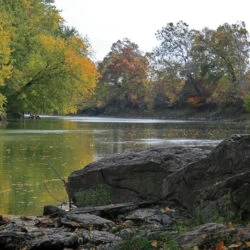
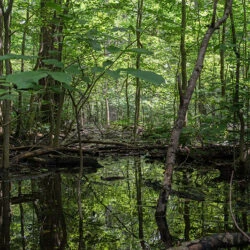
Jack Stark Preserve, a 41-acre preserve acquired in 2004, forms a thriving biological buffer between the industrialized State Road 120 and the Pigeon River. The property includes the riverbank, forested wet swales, bottomland swells and an oxbow where large trees and groves of buttonbush thrive. The initial boardwalk invites the visitor into the canopied floodplain. The preserve—home to many species of trees and herbaceous plants—is a breeding ground for wood ducks. According to allaboutbirds.org, the ducks are cavity nesters, perch in trees, and are comfortable flying through woods.
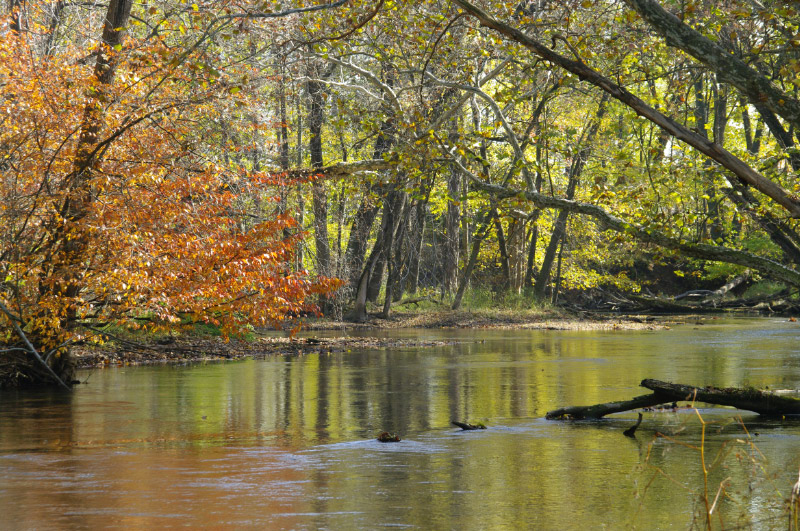
Jack L. Stark, who served on the ACRES Board of Directors from 2003 to 2008, purchased the property in 2001. In 2004, he sold the land to ACRES to preserve in perpetuity.
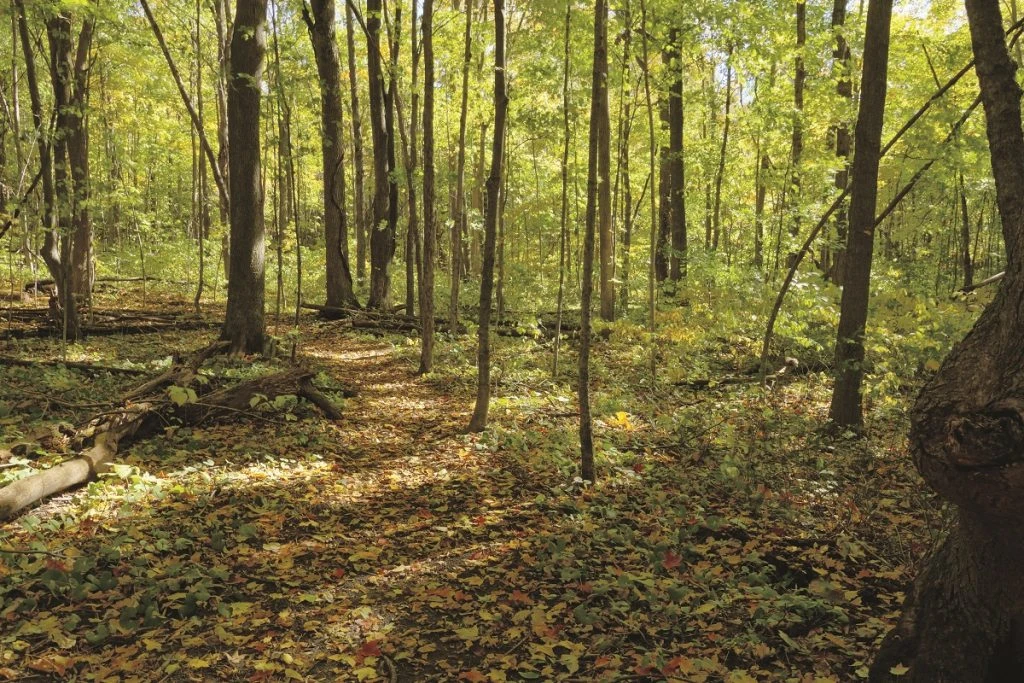
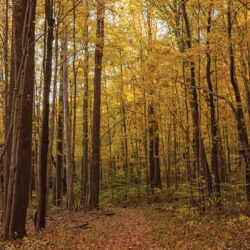
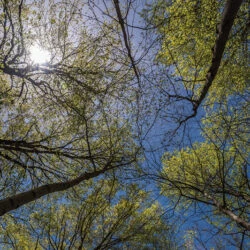
G. Richard and Mary H. Culp Nature Preserve, a 20-acre preserve acquired in 2002, features a forested habitat with two isolated wetland areas and gradual elevation change. The canopied land has a beautiful burst of wildflower color in the warmer months. The preserve provides breeding ground, shelter and sustenance to pollinators, thus actively supporting the local farming community.
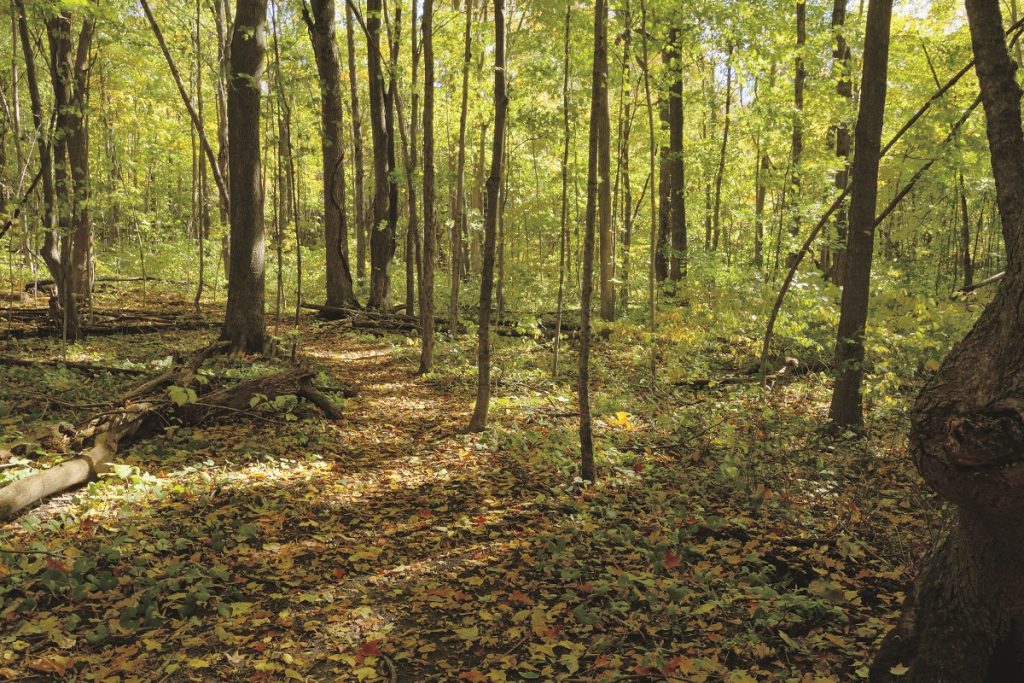
Dr. Culp was born in Goshen, served in the Civilian Public Service, taught in Mennonite high schools, served as a certified family physician for 30 years and authored many books. Dr. and Mary Culp purchased the land in 1976 and transferred it into its forever care with ACRES with the expressed intent that it become a blessing to the community. ACRES is honoring their intention with its constant commitment to protecting the land.
These properties will be open for public visitation until December 31, 2021. After this date the trails will be retired, but the habitat and environmental benefits will continue to be supported by ACRES and its members.
This article originally appeared in the Fall 2021 ACRES Quarterly, mailed to members each season. The 20-page Quarterly features ACRES news, stories and events. You can subscribe by becoming an ACRES member with a donation of $20 or more. Click here to learn more!
Stirk Bullock - March 5, 2026 - 10:11 pm
It seems unusual to close public nature trails, but one detail is especially concerning. Culp’s stated that the property was transferred with “the expressed intent that it become a blessing to the community.” Restricting access and pursuing trespass enforcement directly limits that community benefit and appears inconsistent with the spirit—and potentially the obligations—attached to that understanding. Additionally, closing access to the old bridge and the former Culp preserve conflicts with the organization’s mission statement: “owns and protects natural and working lands, inspiring people to value, appreciate, and support these places for the benefit of all.” Preventing public access and threatening legal action against visitors undermines that mission rather than advancing it. Public lands cannot inspire appreciation or stewardship if they are effectively inaccessible. Reopening these areas to responsible public access would better honor both the original intent of the land transfer and the organization’s stated commitment to community benefit. Restoring access would reaffirm that these natural spaces are meant to serve the public, not stand as closed and restricted properties removed from the people they were intended to benefit.